For close to a decade we’ve been reporting on the business climate and progress in Somaliland – there have indeed been some significant positive developments as well as obvious challenges. Through the hundreds of conversations and interactions we’ve had with people, organisations outside of Somaliland, there is a stark difference between the perceptions and day-to-day experience of business people actually operating in the country.
Spend a week in Hargeisa and the picture changes considerably.
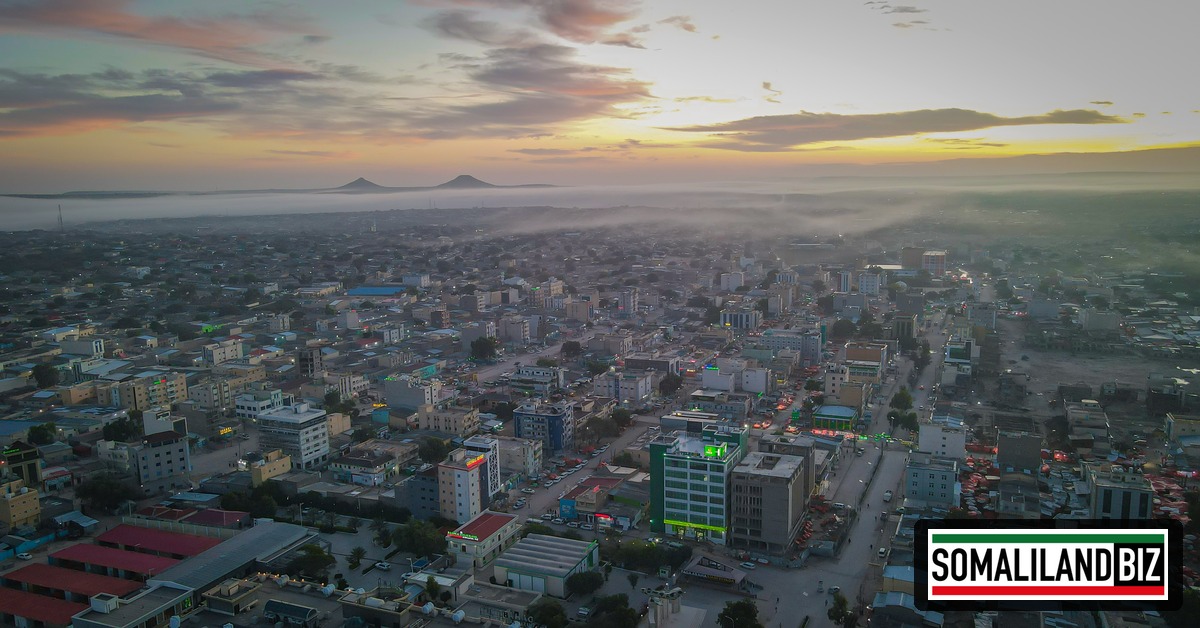
Busy commercial districts line the main roads with mobile money being accepted for everything from groceries to office rent. New banks are opening in the capital as well as modern apartment complexes going up alongside established business hotels. The same questions that international readers bring to Somaliland (is there a real economy here, is anyone investing) are being answered, in practice, by the people running businesses in it.

This article takes five of the most common assumptions about doing business in Somaliland and examines what the evidence actually shows. It is not a case for uncritical optimism; every assumption on this list contains a bit of truth, and the challenges are real. But perception and reality have diverged enough that the gap is itself worth reporting.
“There is No Real Private Sector”
This one is the easiest to disprove, and arguably the most damaging misconception.
Somaliland’s private sector did not wait for international recognition to develop. It built itself. In the absence of significant foreign direct investment or multilateral development finance, local entrepreneurs and the diaspora created the country’s commercial infrastructure largely from scratch — telecoms networks, banking, manufacturing, real estate, hospitality and logistics among them.
Somaliland Beverage Industries (SBI), founded in 2010, was awarded a licence to build and operate a Coca-Cola bottling factory in Somaliland and was at the time the country’s single biggest investment. Located 40 kilometres from Hargeisa in Jalelo, the plant employed both local workers and expatriate technical staff, and has since expanded into mineral water under the Dasani brand. That a global franchise of Coca-Cola’s stature chose to plant its flag in an unrecognised frontier market was, as the plant’s founder Ahmed Osman Guelleh put it at the time, proof that the business case existed regardless of the political one.
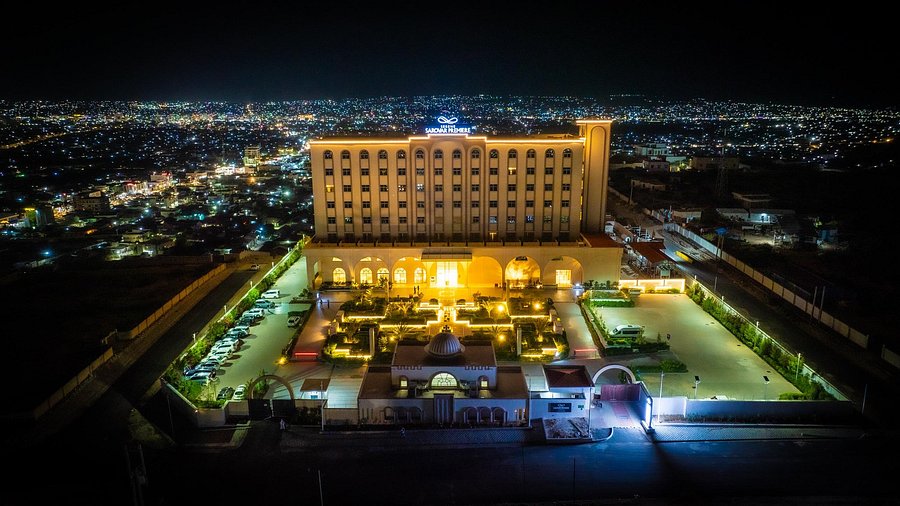
SBI is one example among many with Telesom being another example; Somaliland’s largest telecoms operator, has built a network — and a mobile money platform — that serves millions of users and has attracted serious comparative attention from researchers and development economists. Dahabshiil, headquartered in Hargeisa, has grown into one of Africa’s largest remittance businesses, operating across more than 100 countries. More recently, Serene Sarovar Premiere, which opened in August 2025 as Somaliland’s first internationally branded five-star hotel, is managed by Sarovar Hotels — part of France’s Louvre Hotels Group.
The private sector is real, it is growing, and it has demonstrated — repeatedly — that it can attract capital and deliver projects to international standards. What’s more, there are many other major projects in the pipeline and we’ll soon bring you news of the biggest mall in Somaliland, due to launch in 2027.
“There are No Investment Opportunities”
The opposite is closer to the truth, and it is a distinction worth making carefully: Somaliland is not a market where the best opportunities have been identified and taken. Rather, it is a market where most of the sectors that would be considered mature in neighbouring economies are still in early formation.
Real estate is the most visible example with Hargeisa’s residential property market shift in recent years. Average plot prices have risen from around US$20,000 to US$30,000–35,000 over the past five years. The city’s urban population has passed 53 percent, putting consistent pressure on housing supply. The launch of Masalaha Luxury Apartments — 80 units across three blocks, backed by institutional financing — is the clearest signal yet that developers believe a genuine apartment market is forming, not just a villa and compound one.
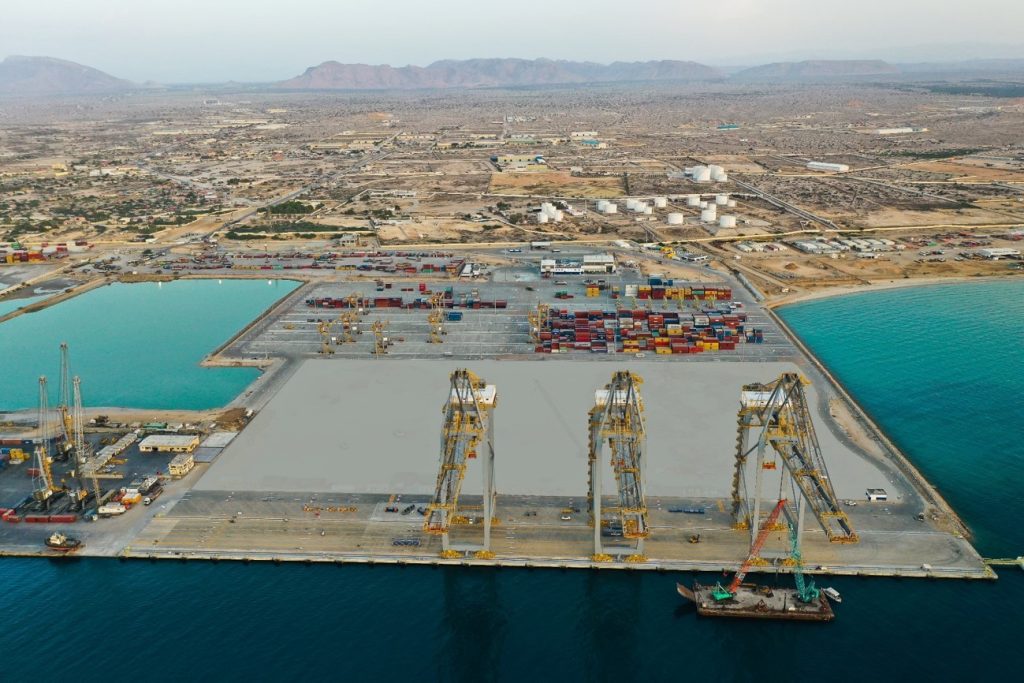
Berbera Port is the most strategically significant investment in Somaliland’s history. Since DP World took a majority stake and began expanding the facility, vessel productivity has risen by 450 percent, container volumes by 30 percent, and general cargo throughput by 90 percent. A direct Jebel Ali–Berbera shipping service now runs every nine days — giving the port a regular, timetabled connection to one of the world’s busiest container hubs. The Berbera Economic Zone, developed alongside the port, is designed to capture the manufacturing and logistics activity that consistent trade flows generate.
Beyond property and logistics, sectors including renewable energy, healthcare, education, manufacturing and technology are all materially under-served relative to the size of the population and the rate of urbanisation.
“Everything is Cash-Based”
This is the assumption that most surprises first-time visitors to Hargeisa — because the reality is almost the inverse.
Somaliland is one of the world’s most active mobile money markets. Telesom’s Zaad service, launched in 2009, was among the earliest mobile money platforms on the African continent. Today, mobile money is embedded into the texture of daily economic life in a way that many more formally developed markets have not achieved. Paying for a meal, settling a business invoice, transferring money between cities, paying school fees — these transactions are routinely completed digitally, without cash, on basic handsets.
The World Bank’s Findex data puts Somaliland among the highest-performing markets globally for mobile payment adoption. GSMA research has found that active Zaad users average more than 30 transactions per month — compared with a global mobile money average of 8.5. The telecoms sector guide on this platform covers the landscape in more detail, including eDahab (Somtel’s competing platform) and the Bank of Somaliland’s 2026 National Payment System, which is designed to connect these previously parallel ecosystems into a single interoperable framework.
The irony is not lost on serious observers: a country that lacks full international banking access has, out of practical necessity, built one of the continent’s most advanced digital payment infrastructures.
“Nobody is Investing”
The diaspora has been investing in Somaliland for decades but it is not always visible from the outside.
Somalilanders living in the United Kingdom, the United States, Scandinavia, Canada and the Gulf countries have been the primary source of private capital formation in Somaliland since the early 1990s. The money flows through property purchases, business partnerships, school and clinic construction, hotel development and direct equity stakes in local companies. The Coca-Cola plant at Jalelo was built with diaspora capital and diaspora expertise. Many of Hargeisa’s hotels were conceived and funded by Somalilanders who had spent careers in international business and chose to bring that experience home.
What is changing is the profile of investment. The diaspora capital that built Somaliland’s early commercial infrastructure has been joined — gradually, and increasingly visibly — by institutional and foreign private capital. DP World’s stake in Berbera is the largest single example, but it is not alone. The Taiwan-led joint venture that broke ground on a US$20 million livestock quarantine zone in Berbera in December 2025, bringing together investors from Taiwan, Saudi Arabia and the United States, is the kind of transaction that signals a widening risk appetite. The inaugural Somaliland-Israel Business Forum in June 2026, attended by more than 200 Israeli investors and company representatives, is another data point in the same direction.
The investors have not stopped coming. The ones who were always there are being joined by new ones.
“Doing Business Must be Impossible”
This one deserves the most honest treatment, because the challenges are real and they should not be minimised for the sake of a positive narrative.
Infrastructure gaps remain. For example, power costs are high by regional standards, with many businesses running diesel generators as their primary or backup supply — a significant operational cost. Access to finance is limited compared with more developed markets; while the banking sector is growing (Wadaag Bank became the latest addition in August 2025, joining an expanding roster of licensed commercial banks), the range of products available to businesses is still narrow. International recognition continues to affect investment decisions, particularly for foreign companies navigating legal and compliance frameworks that were not designed with unrecognised territories in mind.
These are not arguments against investing. They are arguments for investing with clear eyes.
The businesses operating successfully in Somaliland today — across telecoms, real estate, hospitality, manufacturing and logistics — have navigated exactly these conditions. The common thread is not that they found Somaliland easy. It is that they found it navigable, once they understood it properly. Trusted local partners matter enormously. Relationships, built over time, open doors that cold approaches do not. A long-term view is not optional — it is the price of entry for serious investors in any frontier market, and Somaliland is no different.
The entrepreneurs and investors who tend to struggle are those who apply assumptions from other markets without adaptation. The ones who tend to succeed are those who spend time on the ground, who listen before they move, and who calibrate their expectations to the market they are actually in rather than the one they imagined.
The Honest Summary
In truth, Somaliland is an emerging market and should therefore be approached as one: with genuine interest, careful research, appropriate caution and realistic expectations about timelines and complexity.
What it should not be approached as is a geopolitical abstraction — a place defined entirely by its diplomatic status and its regional context. The private sector operating in Hargeisa today did not build itself on international recognition. It built itself on commerce, on necessity, on diaspora capital and on the kind of entrepreneurial persistence that frontier markets tend to produce more reliably than comfortable ones.
The five perceptions examined in this piece are understandable. They are shaped by the information most international readers have access to, which is dominated by political and security reporting rather than business intelligence. Correcting them is part of what SomalilandBiz exists to do.
Somaliland’s business story is not the one in the headlines. It is more complicated, more grounded, and considerably more interesting.